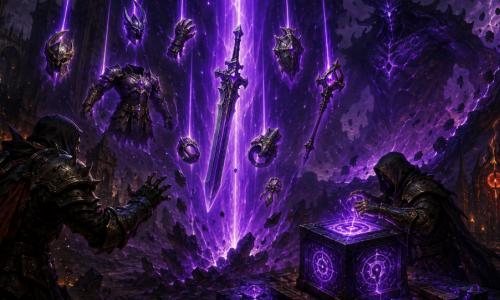
The upcoming PTR for Diablo IV Update 3.1 is not just another seasonal adjustment—it represents a deliberate redesign of how endgame power is distributed. On the surface, the changes to Diablo 4 Mythic Uniques look like a dramatic loosening of rarity. In practice, though, they may signal a shift away from pure lottery-based chase items toward a more structured, build-driven endgame.
Instead of treating Mythic items as ultra-rare “jackpot drops,” the new system reframes them as a progression layer players can actively work toward.
From Lottery Drops to Build Engineering
In previous seasons, Mythic Uniques functioned like endgame trophies. You didn’t plan around them—you hoped for them. The excitement came from unpredictability: a purple beam on the ground meant a sudden spike in account power and build identity.
Mythic 3.0 changes that relationship completely.
Now, Mythic status is something you apply, not something you simply find. Any Unique can be elevated through the new upgrade system, which turns endgame gearing into a more deterministic process:
Perfect affix rolls are standardized when upgraded
Unique effects receive a consistent power boost
Greater Affixes can still layer on top for customization
Rather than chasing a single “god drop,” players are now optimizing which item becomes their mythic centerpiece.
This shifts the core fantasy from “I got lucky” to “I built this correctly.”
A More Structured Endgame Loop
The introduction of seasonal resources like Pandemonium Fragments and upgrade systems such as the Horadric Cube creates a clear gameplay loop:
Run endgame content
Earn upgrade currency
Choose which gear to elevate
Refine build around guaranteed power spikes
Instead of relying on random drops to define progression, the system now ties progression directly to engagement with seasonal systems.
This has an important side effect: build completion becomes more predictable. Players can realistically plan full endgame setups without waiting for rare drop RNG to align.
Redefining What “Rare” Means
At first glance, making Mythic upgrades widely accessible seems like it reduces rarity. But the design actually shifts rarity from item existence to decision quality.
In this model:
The “rare moment” is no longer finding the item
It becomes choosing the optimal transformation path
And optimizing which base item deserves Mythic status
Natural drops still exist, but their role changes. Instead of being the only path to power, they become inputs into a crafting ecosystem.
This aligns more with modern ARPG trends where agency is increasingly favored over pure randomness.
The Two-Tier Equipping System: Intentional Tension
The split between crafted Mythics and naturally dropped Mythics introduces a deliberate constraint:
Crafted Mythics: limited equipping (build planning focus)
Natural Mythics: unrestricted (pure RNG prestige)
Rather than being a contradiction, this can be seen as a way to preserve both philosophies of ARPG loot:
Crafting = player control
Drops = moment-to-moment excitement
The tension between the two systems forces a meaningful choice: do you rely on deterministic power planning, or chase uncontrollable high-end drops?
Power Normalization or Power Accessibility?
Legacy adjustments—such as reducing the dominance of previously best-in-slot uniques—should also be viewed through a structural lens. Instead of invalidating old items, the goal appears to be:
Preventing extreme power spikes from stacking multiplicatively
Ensuring more builds can reach endgame viability
Opening space for non-meta itemization
Whether it ultimately improves Diablo IV will depend on one question:
Do players value surprise-based progression, or controlled build mastery
The PTR will not just test balance—it will test which version of “loot excitement” survives in modern ARPG design.
